In the construction industry, the integrity and longevity of concrete structures are paramount. When concrete fails to perform as intended, this can lead to serious consequences – both financially and in terms of human safety. Reinforced concrete is a composite material that has been the backbone of modern construction for decades, known for its strength, durability, and versatility. However, like all materials, it has its vulnerabilities, especially in the context of failure due to cracking, weathering, and load-bearing deficiencies.
Fibre reinforcement offers a robust solution to enhance the durability and resilience of concrete structures, and at Fibre Concrete Solutions, we specialise in providing state-of-the-art fibre reinforced concrete solutions that are specifically designed to prevent concrete failure in a multitude of applications.
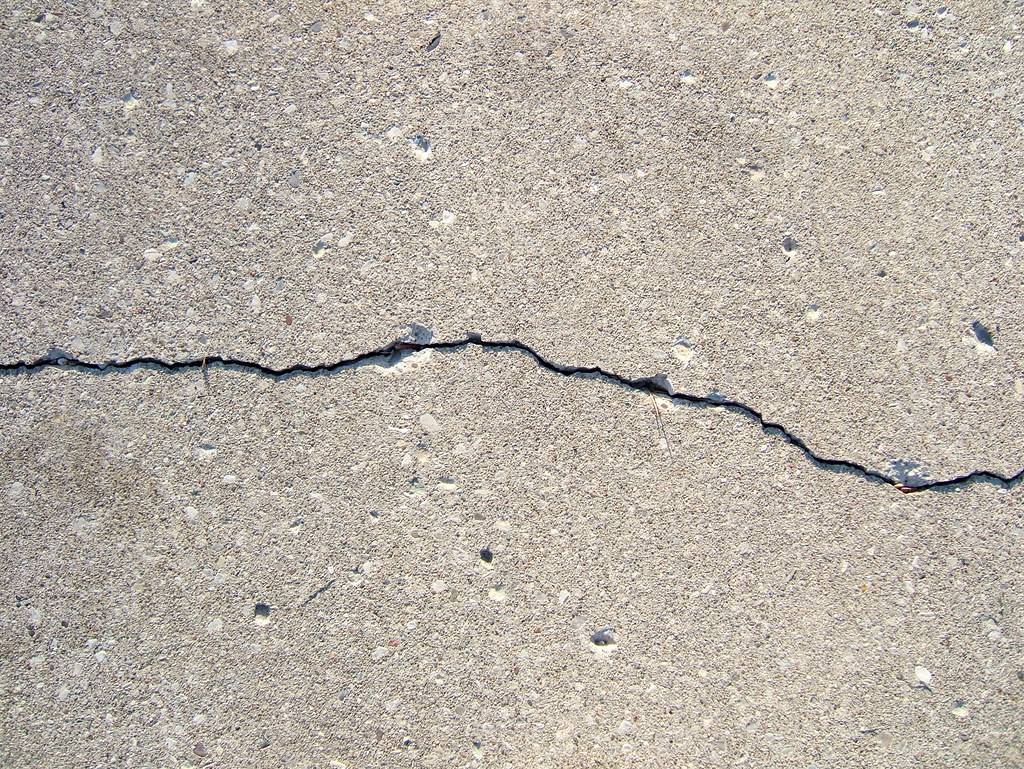
Understanding the Vulnerabilities of Traditional Reinforced Concrete
Traditional reinforced concrete, though strong and versatile, is susceptible to various forms of degradation. Cracking, corrosion of steel reinforcements, and spalling under high temperatures are some of the primary concerns. These vulnerabilities can compromise the structural integrity of concrete, leading to early deterioration and potential concrete failure.
The Role of Fibre Reinforcement in Enhancing Concrete
Fibre reinforcement technology revolutionises the way we approach these vulnerabilities. By incorporating fibres such as micro polypropylene, macro synthetic, and high-tensile steel fibres into the concrete mix, we can significantly enhance its properties.
Crack Control and Durability
Fibres such as our Nexus and APEX ranges offer superior crack control. These fibres distribute throughout the concrete matrix, providing multidirectional reinforcement. This means that the concrete is not only stronger but also more capable of resisting the formation of cracks, a common cause of concrete failure in traditional concrete. In situations involving plastic shrinkage and settlement, the use of fibre reinforcement minimises cracking substantially.
Increased Structural Integrity
Our Nexus 85 and APEX 60 steel fibres are designed to boost the residual strength of concrete. This means that even if cracks develop, the fibres hold the material together, maintaining structural integrity and preventing catastrophic failures.
Fire Resistance
In high-temperature scenarios, such as fires, traditional reinforced concrete can experience explosive spalling. Our Vertex micro polypropylene fibres are specifically engineered to prevent this. They create a network within the concrete that allows for the escape of steam and pressure, thereby reducing the risk of spalling.
Improved Impact Resistance and Load-Bearing Capacity
Particularly in industrial floors and high-traffic areas, the ability to withstand heavy and dynamic loads is crucial. Fibres like APEX 50 and Nexus 85 enhance the impact resistance and load-bearing capacity of concrete, ensuring that it remains robust and intact under strenuous conditions.
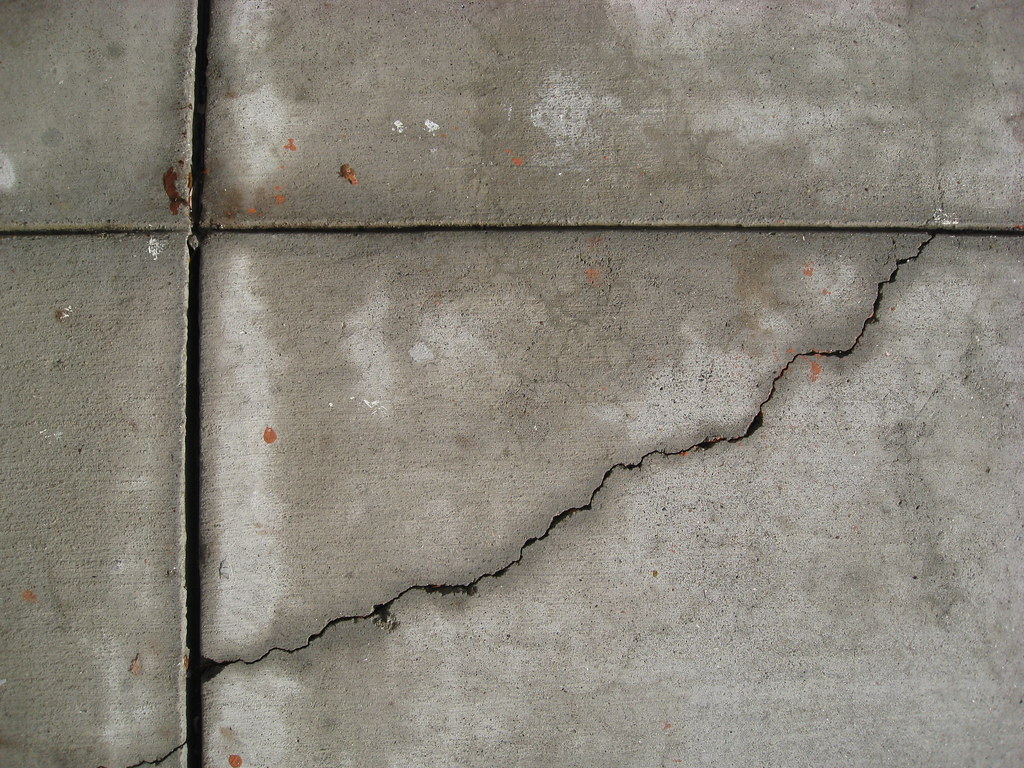
Tailored Solutions for Diverse Applications
At Fibre Concrete Solutions, we understand that each project has unique requirements. Our expertise in fibre reinforced concrete allows us to provide tailored solutions for various applications, from residential and commercial to industrial and infrastructural projects. Our design and engineering services ensure that the right type of fibre and dosage is used for optimal performance.
For further information and guidance regarding our tailored fibre reinforcement solutions and how to mitigate concrete failure, contact our team at Fibre Concrete Solutions today.